Are you thinking of going to culinary school to study Patisserie? I thought about it for months, turning it over and over before I decided to take the plunge. Now after finally completing the course, I can share my personal pros and cons, the things I liked and disliked, from formal Pastry study. I hope they help you arrive at the right decision for yourself.
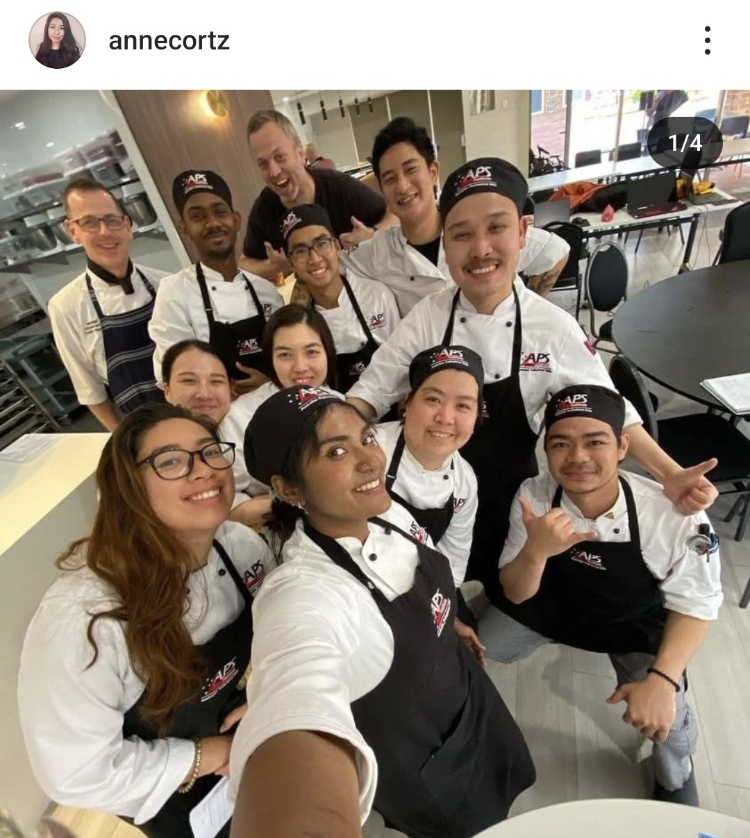
The Good
1. You will see how great chefs work, up-close.
The part I treasured the most about going to culinary school was getting the chance to work with great chefs. Chances are, a good culinary school wouldn’t just hire any ole chef out there. They would hire chefs with years, even decades of experience in celebrated establishments, and with many industry connections. Most schools would have a page on their website showing the profile of their instructor-chefs, you might want to check them out before choosing a school.
For example, the head teacher in my school trained at a Michelin-starred restaurant. He was adamant about cleanliness, organization, efficient workflows, and attention to detail. He was intimidating with a permanent stern expression, but at the same time, his excellence was inspiring. I am very thankful I got the chance to be his student.
2. You will be (forced into) making a huge variety of pastries.
Maybe it’s due to fear or intimidation from the seeming complexity, but I have never attempted to make croissants or any laminated dough at home. I also tried making sourdough once, failed, and never tried again. Opera cake? Nope, looks complicated. Chocolate confections and candy? I don’t have the right equipment/high chance of failure. There were many Pastry items that I chickened out from doing at home.
When you attend culinary school, however, you will have no excuse. You will have access to all the required equipment and knowledge, and you will be under the guidance of experts. You will have no choice but to face your laminated dough fears.
3. You will receive lots and lots of recipes!
Some people don’t care much about recipes. I, however, love getting my hands on cookbooks and pretty much any information relating to food. So the more recipes, the merrier!
Not only will you get a copy of so many recipes, but the recipes would have been double, triple-tested by your instructors, and probably also done by countless students before you, even before you attempt it yourself. So, you can be sure they are quality recipes that work (most of the time).
4. You will get to experience working in a real commercial kitchen.
One word, internship. I know that does not sound sexy, but it can actually be pretty great. Likely, your school will have connections within the industry and will be able to get you a spot in the kitchens of some pretty good places. Imagine getting the chance to join in on the operations of a Ritz-Carlton Hotel (I did!) or one of the best French bakeries in the city (did too!).
5. You will learn and practice how to organize your tasks into workflows.
Picture a contestant in the show Masterchef, rushing around to cook five different things within half an hour or something crazy. Some days in school felt like that. We were tasked to create maybe five or six different kinds of pastry within a time limit, to be “judged” by the teacher at the end on whether you pass or fail.
To pull that off, we had to write down a plan for our day, called a workflow. This is an itemization of every task we have to do, detailed over half an hour or less increments. There is often multi-tasking and clever re-arrangements of tasks to attempt to be as efficient as possible.
6. You will get to work with professional equipment.
You might not get to take them home, but learning which equipment is used by professionals and learning how to use them is knowledge I’m happy to have. So happy that I now want my home kitchen to have professional equipment, too. Being able to afford them, however, is a problem for another day.
7. You will learn to clean a kitchen like a pro.
I once suggested that my brother should go to culinary school so that he’d learn how to clean the kitchen at home after he uses it. Seriously though, commercial kitchens are subject to strict health and safety measures, and you will get to learn and practice them in culinary school. This gave me a great boost of confidence in my cleaning skills even at home. I believe it can change your mindset too. If you are not already, you might become an advocate of keeping your home kitchen organized and sparkling clean all the time.
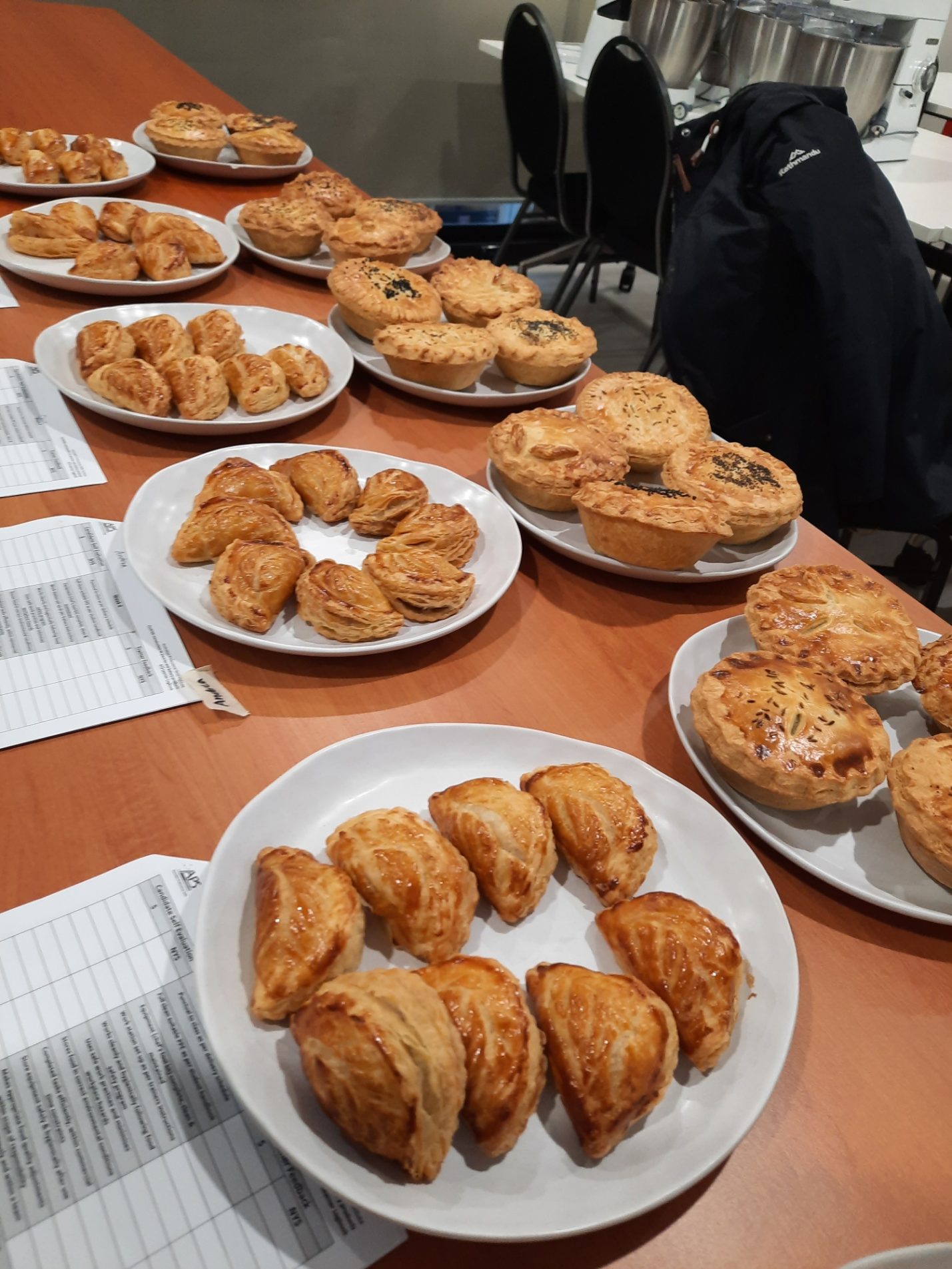
The Not So Good
1. You will probably have to pay a sizeable tuition fee.
You can get lucky here of course. Some big schools have financial aid and scholarships, or even some government-subsidized courses (which happens sometimes in Australia). But you will most likely have to fork over a significant amount of money to attend Pastry school.
In 2025, the Culinary Institute of America costs around USD$22K per semester. That means up to USD$70K-80K for an Associate Degree (66 credits, with 12-18 credits per semester). Le Cordon Bleu in Paris offers a 9-month Diplôme de Pâtisserie for €55K (around USD$58K). I don’t know about you, but these are a tad bit out of reach for me.
I went for a mid-range one, a small private school in Western Australia which set me back AUD$25K (around USD$16K) for a 2-year Diploma in Hospitality Management (Patisserie stream), which is actually the lower range in Australia. The Le Cordon Bleu in Sydney is at AUD$35K (around USD$22K) for a 15-month pastry course including a 6-month internship.
You can be sure that there will be money involved, and that it can be significant depending on which school and country you choose to study in. On the bright side, you have a range of price ranges to choose from. And don’t forget, some schools offer financial aid and scholarships, yes even for culinary schools!
2. You will have to spend your days in school instead of a paid job.
In other words, the opportunity cost. Especially if you’re an adult, you might have to quit your job and miss out on two years of income from regular employment. Depending on your circumstances, however, you may be able to get a part-time job instead. This was exactly the case for me.
3. You might have to do a couple hundred hours of unpaid work.
This is about internship again. While it is a great way to experience what it’s like to work in an actual working and earning commercial kitchen, you will have to do exactly that, but minus the pay. You might have to labor 400 hours of repetitive kitchen work (can vary per kitchen/school/country) and not get paid a single cent. With the tuition fee, you may even feel like you paid to work there for free.
Conclusion
If I were to go back in time and advise my past, undecided self with these pros and cons, I’m pretty sure I wouldn’t change my mind. I am passionate about food and cooking, and getting a formal education on food is one of my lifelong goals. The school, the country or the time may change, but one way or another, I will make it happen.



 Anne Cortz
Leave a comment