Ever wonder what they teach in a Patisserie course? While different culinary, baking and pastry schools would each have a different pastry course outline, looking at a few can give you a good general idea. Baking and pastry (yes, they are different!) are often lumped together in Patisserie courses such as the one I took.
The below curriculum is specifically from my time studying in Australian Professional Skills Institute (APSI) from October 2022 to April 2024. I gained the Australian qualification of Certificate IV in Patisserie over the course of six terms, with every term lasting 10 weeks.
Classes are a mix of classroom theory lessons and practical lesson in various kitchens of the school. On the pastry course outline below, you will see the topics taught in theory lessons as well as the food items we cooked in practical classes.
Pastry Course Outline


Term 1 – Cold Larder
Term 1 has little to do with baking and pastry, but everything to do with learning how to work in a commercial kitchen. That means learning about safe food handling and work safety practices, first aid, knife skills, cleaning procedures, equipment identification and basic methods of cookery.
In the kitchen, we got to create dishes that involve roasting, baking, poaching, frying, grilling, steaming and braising. Plus, we got to experience working in a real hotel kitchen, mostly chopping and slicing fruit and vegetables, and of course, having a large kitchen cleanup afterwards.
Term 1 Menu
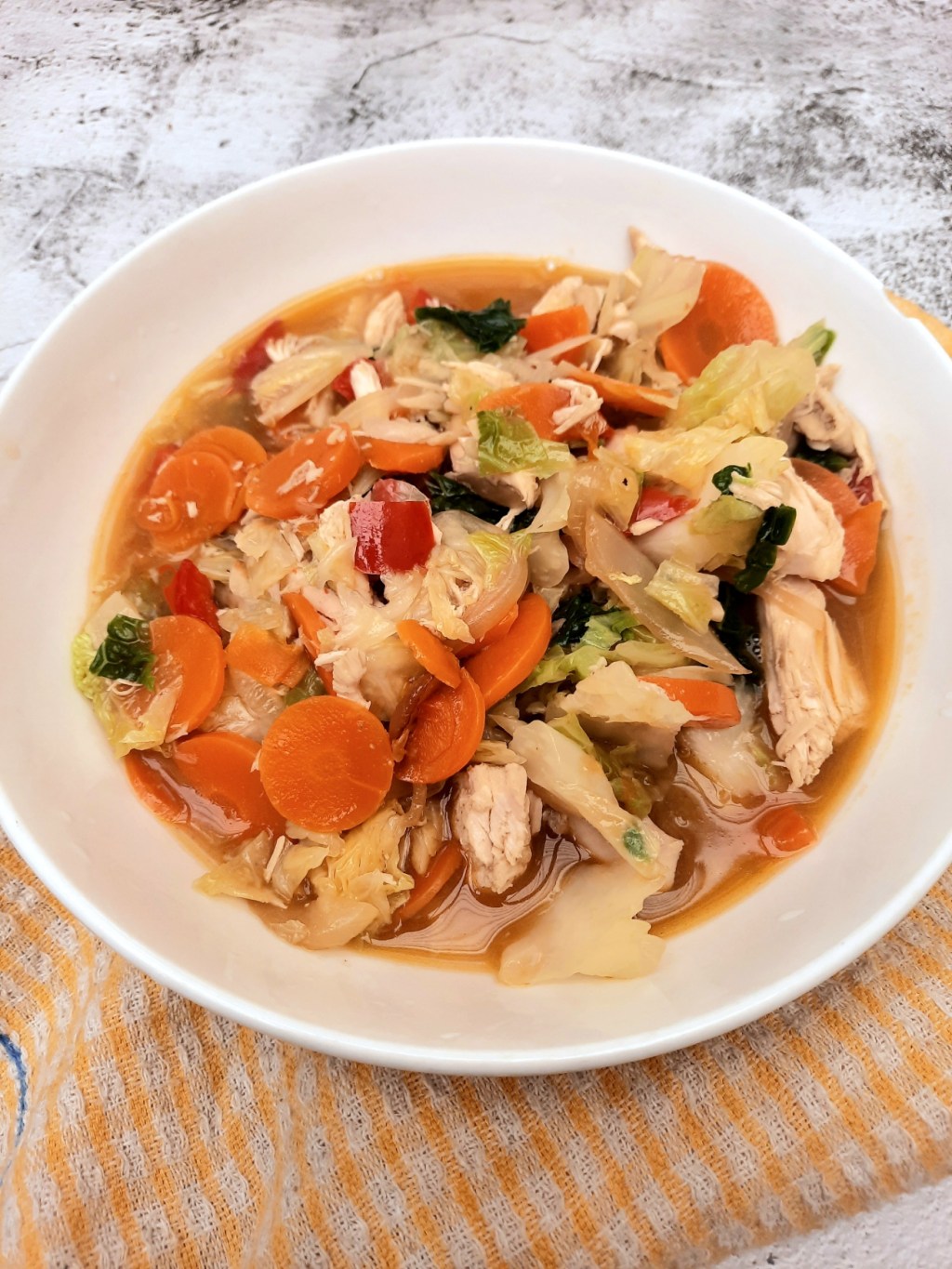
- Roast Chicken Maryland with an Asian style coleslaw
- Chicken, ham and leek pie topped with duchess potatoes
- Antipasto platter
- Poached fish croquettes
- Thai green curry chicken on lemongrass stalks
- Grilled watermelon, pickled red onion, rocket, mint, pepita seeds, feta salad
- Prawn and pork siu mai with dipping sauce
- Moroccan lamb burger, tomato compote, pickled zucchini with tahini lime mayo
- Thali platter – beef madras, boiled rice, goan eggplant pickles, kachumber salad, pappadums, raita, onion bhaji


Term 2 – Basic Pastry
We finally touch on pastry by term 2 of the pastry course outline. For this term, we go through an introduction to pastry, desserts and special diets. Alongside these are theory classes about coaching others in job skills. We have moved on from the hotel kitchen and got to experience workplace training in various pubs and restaurants in the city, where we did all sorts of mise en place prep work such as cleaning and preparing fruits and vegetables, crumbing chicken, measuring ingredients and vacuum packing food for sous vide.
Term 2 Menu
Breads
- Traditional baguette
- Lavosh & hummus
- Mini brioche Nanterre
- Rosemary and garlic focaccia
Pastries & Cakes
- Rough puff sausage rolls
- Cheese, onion & poppy seed tart
- Blueberry friands
- Profiteroles, cracked earth, white chocolate pastry cream
- Lemon brulee tart
- Mixed berry Texan muffins
- Dark chocolate mudcakes, ganache, griotte cherries
- Vanilla swiss roll, cardamom crème Chantilly, raspberry jam
Desserts
- Vegan chocolate mousse, raspberry sorbet, honeycomb, raspberry gel, chocolate crumbs
- Carrot pudding, cinnamon anglaise, cream cheese ice cream, flambeed oranges
- Classic crème caramel, shortbread
- Strawberries, granita, coconut rum, sabayon, meringue
- Iced peanut parfait, churros, chocolate sauce, dark chocolate curls
- Yoghurt panna cotta, black sesame tuile, burnt kiwi
- Apple tart tatin, vanilla ice cream
- Caramelised brioche pudding, berry compote, vanilla anglaise


Term 3 – Cakes
For Term 3, students get to focus on producing cakes, specialized cakes, petit fours and modelling with marzipan. Theory classes on purchasing goods were also taught.
Term 3 Menu
Cakes, gateaux, torten and entremet
- Traditional madeira cake, candied peel, lemon syrup
- Gateau Opera
- Naked cake, olive oil sponge, lemon curd, Italian meringue buttercream
- Traditional sacher torte
- Framboisier entremet, tonka bean creme diplomat, vanilla sable
- Chocolate roll cake with rosewater buttercream, pistachio and raspberry
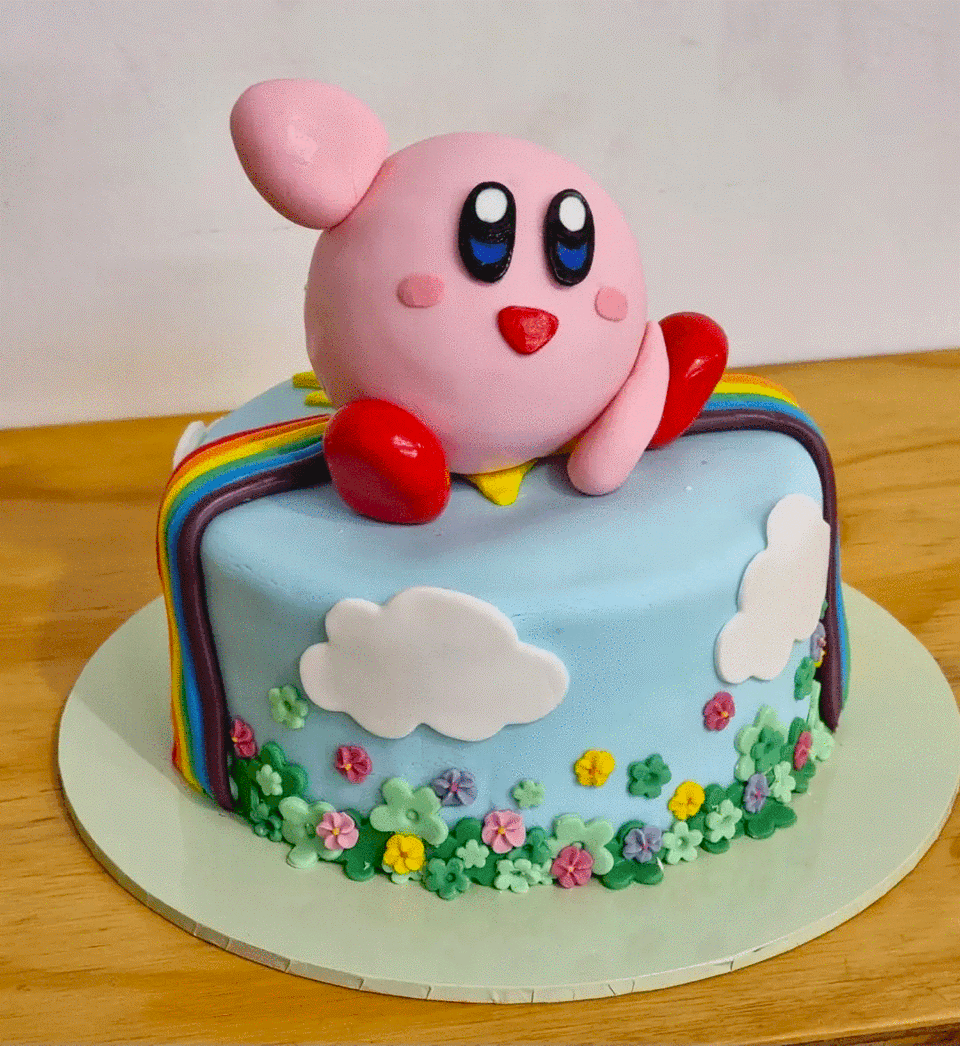
- Iced celebration cake decorated with marzipan figures (fruit cake)
- Classic carrot & walnut cupcakes, cream cheese frosting, marzipan carrots
Petit fours
- Lemon cheesecake macarons (petit four sec)
- Gateau Opera (iced petit four)
- Hand enrobed white chocolate truffles
- Sable tartelettes, creme patissiere, glazed fruits
- Miniature coffee and praline profiteroles (fresh petit four)
- Salted caramel fudge
- Strawberry and cream cake pops
- Miniature black forest cake, marzipan cherry
- Parmesan sable, goats cheese mousse, apricot gel, candied walnuts


Term 4 – Breads & Pastries
Term 4 is about more pastries and a little bit of bread. We had some theory classes about planning and costing recipes (not too fun for my classmates who hate math). We also got to break the regular class format with having to prepare a breakfast and lunch buffet in campus, serving paying customers. Starting this term, patisserie students get to have workplace training in pastry-related work venues such as bakeries, patisseries or in the pastry section of hotels or restaurants. In my case, I was accepted to intern at The Ritz-Carlton, Perth, Western Australia.
Term 4 Menu
Breads
- Crumpets
- Bacon and cheese scrolls
- Brioche doughnuts, filled with jam or custard
- Hot cross buns ‘Nanterre’
Pastries
- Coconut macaroon tartelletes, pineapple compote, passionfruit cremeux
- Glazed rhubarb frangipane tartlet, creme chiboust
- Apple and cinnamon turnovers
- Paris Brest
- Spanakopitakia
- Savoury shortcrust pies
Viennoiseries
- Croissants
- Pain au chocolat


Term 5 – Chocolate work and sugar modeling
While Terms 1-4 were the courses required to achieve Certificate III, Term 5 marks the start of the courses comprising Certificate IV. Produce chocolate confectionery, model sugar-based decorations, design and produce sweet buffet showpieces were the main subjects of this term. This term, my workplace training was at a boulangerie-patisserie called Layers in Subiaco, Western Australia.
Term 5 Menu
Hard-centered confectionery
- Nougat montelimar dipped in tempered milk chocolate
- Almond praline squares dipped in tempered dark chocolate
Soft-centered confectionery
- Passionfruit and pernod ganache truffles
- Raspberry pate de fruit
Moulded and filled confectionery
- Handmade milk chocolates filled with salted caramel
- Handmade dark chocolates filled with peppermint cream
Term 6
Term 6 was chock-full of theory classes that range from supervisory topics such as
- managing conflict
- rostering staff
- leading & managing people
- managing finances
- monitoring work operations
- implementing and monitoring work health and safety practices
- diversity and inclusion.
Under the umbrella of Kitchen Management and food safety program are topics such as
- develop and implement a food safety program
- plan cooking operations
- design and cost menus
- develop recipes for special dietary requirements.
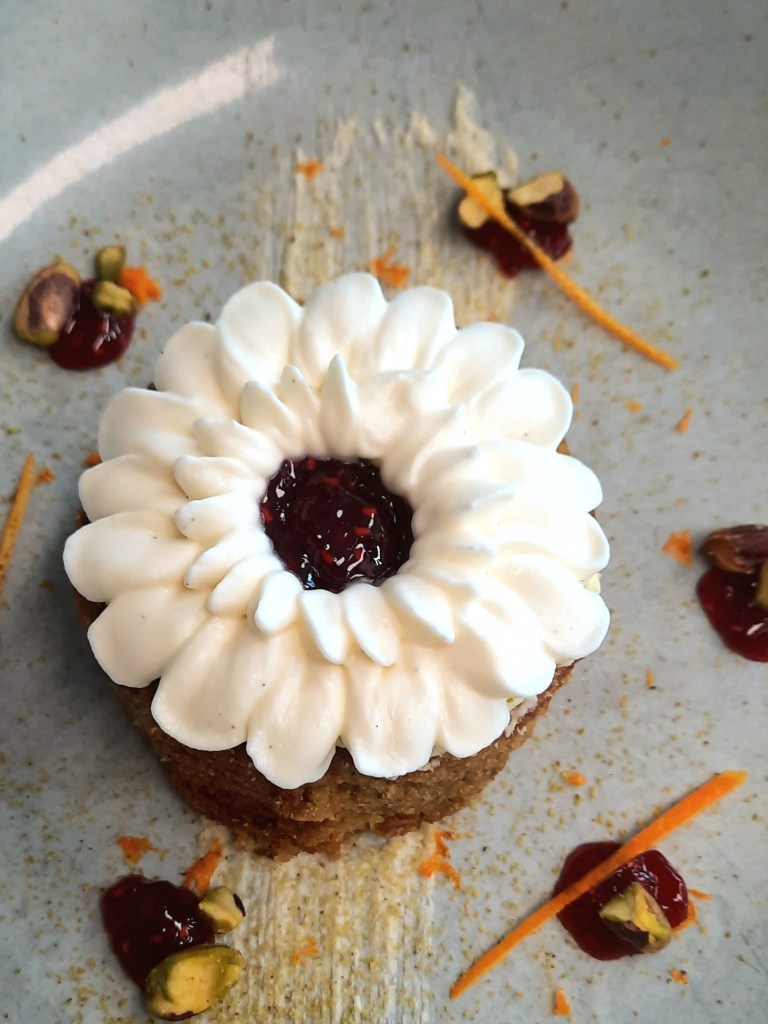
The term culminates in a rather exciting kitchen practical where students are required to develop their own dessert item fit for a multi-course meal. I opted for a pistachio-brown butter financier with orange-raspberry sauce, white chocolate ganache and piped vanilla Chantilly creme to resemble a white flower. Recipe to be shared soon!
That’s the end of my pastry course outline! I hope you have found this information useful. If you have any questions, please do not hesitate to reach out.


 Anne Cortz
Leave a comment